
 Tiếng Việt
 Uyƣurqə
 日本語
日本語 한국어
한국어Body massage is not only a relaxation method but also helps improve both physical and mental health when done correctly. In modern life, as work and study pressures continue to increase, learning simple at-home body massage techniques is a cost-effective and efficient solution. Join Vip Massage Nuru to explore everything in detail—from concepts and benefits to proper massage techniques.
Why is body massage a “golden remedy” for physical & mental health?
Before learning massage techniques, it is important to understand its benefits. Massage is not just relaxation—it is a therapeutic science recognized for thousands of years.
Proven physical benefits
Proper massage directly affects the skin, muscles, tendons, and circulation:
- Instant pain relief: Releases lactic acid buildup, softens tight muscles (especially neck, shoulders, back, calves).
- Improves blood circulation: Helps oxygen flow better, making skin healthier and more radiant.
- Better sleep: Reduces cortisol and increases serotonin for deeper sleep.
- Boosts immunity: Increases white blood cells to fight disease.
Mental healing power
“When the body is relaxed, the mind will also be at peace.” This is what I always keep in mind.
- Stress and Anxiety Relief: Gentle stroking and massage are natural sedatives, helping you temporarily set aside the worries and stresses of life.
- Mood Improvement: Massage stimulates the brain to produce endorphins – a natural “happiness hormone” – helping you feel happier, more optimistic, and more joyful.
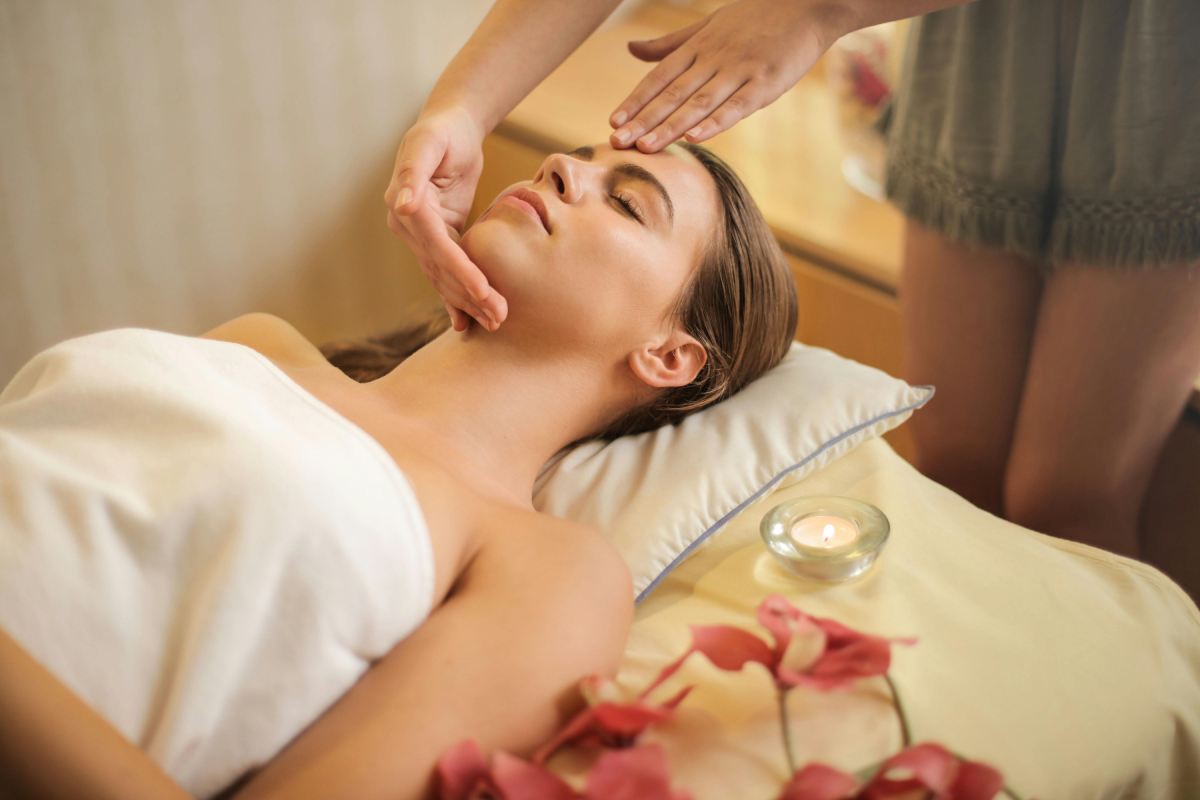
Benefits of body massage
Preparation Steps for a Perfect Spa-Like Home Massage
The success of a massage depends 50% on technique and 50% on preparation. Never skip this step if you want a truly professional body massage experience.
Create a Relaxing Space
Transform your room into a mini spa:
- Space: Choose a quiet, clean place with a flat, soft surface (bed or floor mattress).
- Lighting: Turn off electric lights and replace them with soft yellow light from a bedside lamp or scented candles.
- Music: Play instrumental music, the sound of flowing water, or birdsong at a moderate volume.
- Temperature: Ensure the room is warm enough and free from drafts to prevent chills.
- Towels: Prepare 1-2 large, soft towels, one to use as a base and one to cover areas not yet being massaged.
Choosing Quality Massage Oils
Massage oils not only help your hands glide more smoothly over your skin, but also nourish it and provide therapeutic benefits from their aroma.
A comparison table of popular massage oils will help you find out which body massage oil is best.
| Oil Type | Advantage | Suitable For | Expert Tips |
| Coconut Oil | Popular, inexpensive, and provides good moisturizing. | Normal skin, dry skin. | Choose cold-pressed (virgin) coconut oil to retain the most nutrients. |
| Oliu oil | Rich in vitamin E, an antioxidant. | My skin is very dry. | It might be a bit greasy and have a strong scent, so you should dilute it with other essential oils. |
| Almond oil | Fast-absorbing, non-greasy, and gentle. | Suitable for all skin types, including sensitive skin. | This is my favorite choice for beginners. |
| Jojoba oil | Its structure is very similar to the skin’s natural oil, and it doesn’t clog pores. | Oily skin, acne-prone skin. | The price is higher, but it’s absolutely worth it for the face and back. |
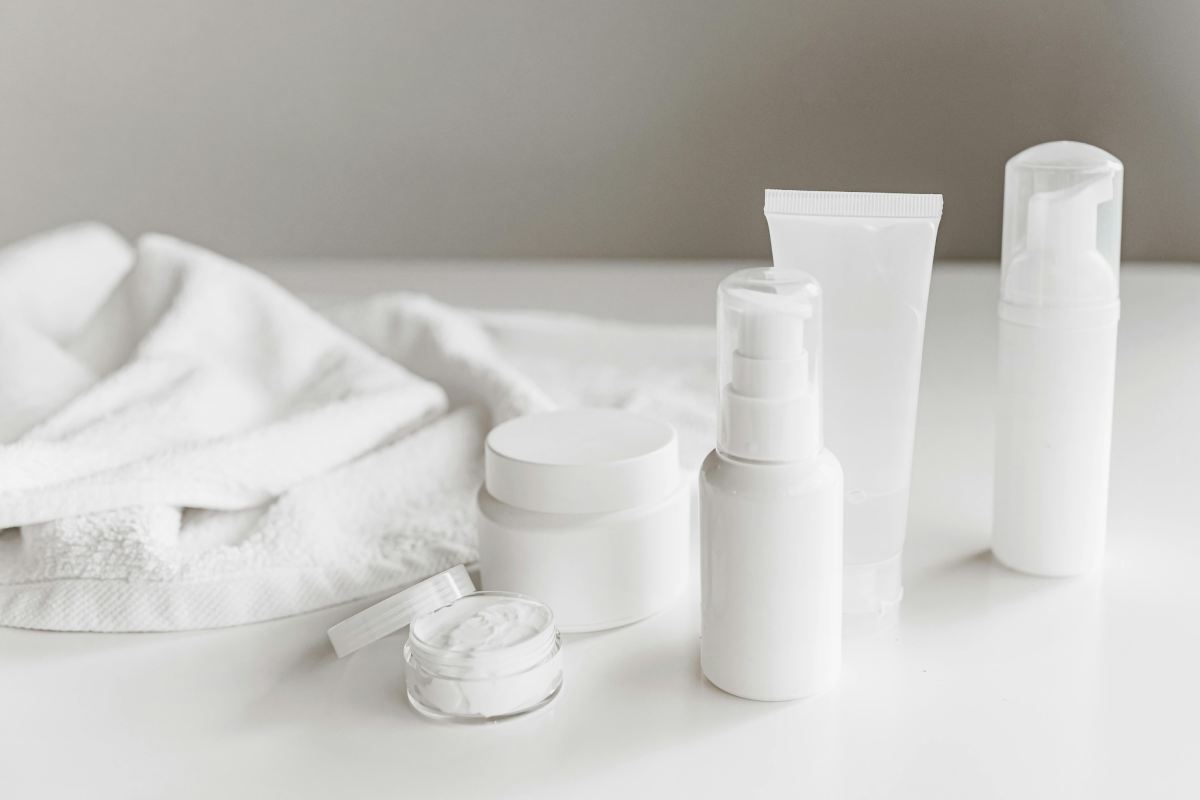
Choose the right massage oils
Preparing Your Body
- Take a warm shower 15-20 minutes before the massage to cleanse your body and relax your muscles.
- Drink a glass of warm water to prepare your body for metabolism.
- Warm the massage oil by rubbing your palms together or soaking the bottle in hot water.
Basic Full Body Massage Instructions
The massage technique is the most important part. Follow each step slowly. Remember, massage is an art of sensation, not a physical exercise.
Getting Started: 3 Fundamental Massage Techniques for Beginners
Whether you’re performing a simple or complex body massage, always start with these three movements.
- Effleurage (Gentle Strokes): This is the introductory technique in body massage instruction. Using your entire palm, gently stroke upwards towards the heart. Apply moderate pressure, and maintain a slow, even pace. Begin with 5-10 gentle strokes to warm up the muscles. This technique helps the body adapt to the sensation of being touched and prepares it for more advanced techniques.
- Petrissage (Kneading): Use your thumb and other fingers to gently lift and rotate the muscles. The movement is similar to kneading dough, but much gentler. Focus on large muscle groups such as the shoulders, back, and thighs. Perform this for 3-5 minutes per area. This technique helps improve blood circulation and effectively reduces muscle tension.
- Tapotement Technique: Use the edge of your hand or fingertips to gently and quickly tap the muscles. The movement should be rhythmic and not painful. Perform this for 1-2 minutes for each muscle area. This technique helps stimulate nerves, improve circulation, and create a feeling of well-being.
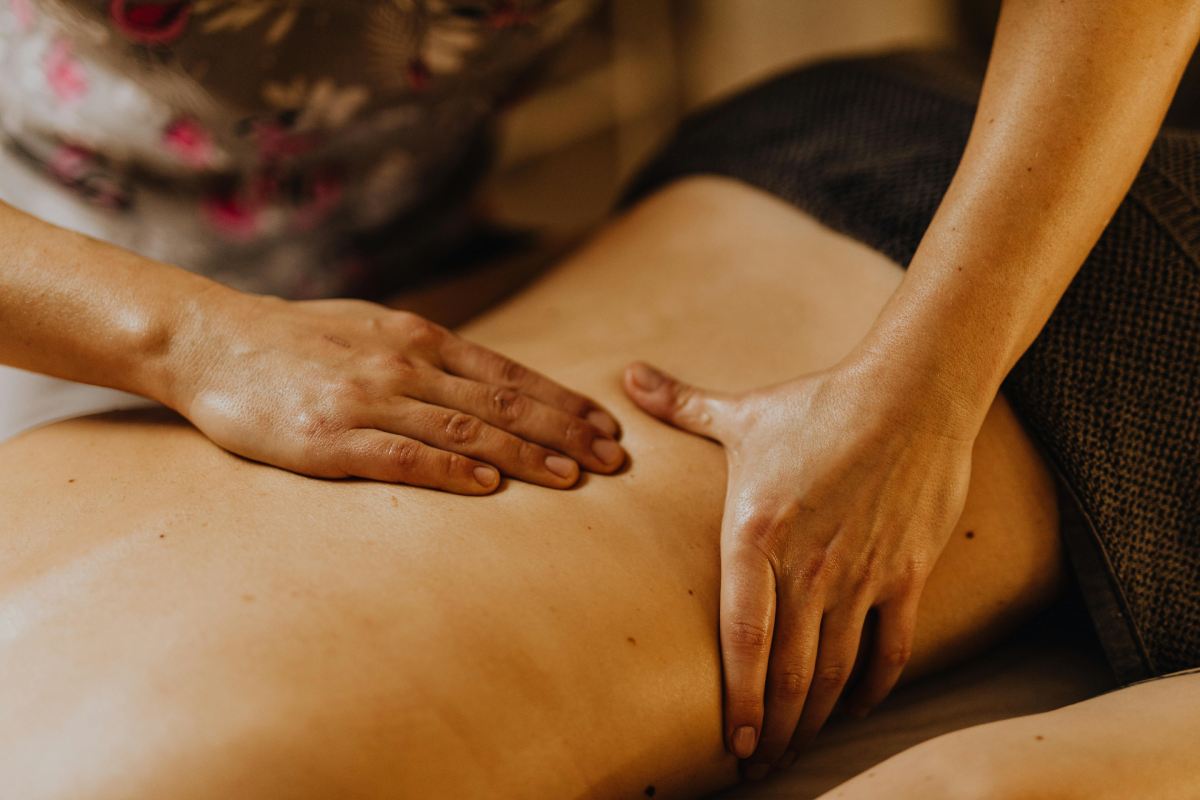
body massage techniques
Part 1: How to Massage Your Back and Neck
This is the area that experiences the most pressure. Let’s look at how to massage your back and neck:
- Step 1 – Warming and stroking (5 minutes): Apply oil to your hands, begin stroking from the lower hips, along both sides of the spine, up to the shoulders, then circle around to the sides of the ribs and down. Repeat 10-15 times.
- Step 2 – Kneading the back (5 minutes): Use kneading techniques (Petrissage) on the large muscle groups on both sides of the lower back and upper back.
- Step 3 – Spinal pressure massage (3 minutes): Use two thumbs placed parallel on either side of the spinal groove (do not press directly on the spine), gently massage and stroke from bottom to top.
- Step 4 – “Rescuing” the neck and shoulders (7 minutes): Use one hand to hold the opposite shoulder, and the other hand to use the fingers to knead the muscles from the neck down to the shoulder. Pay special attention to the trapezius muscle, where stiffness is most common.
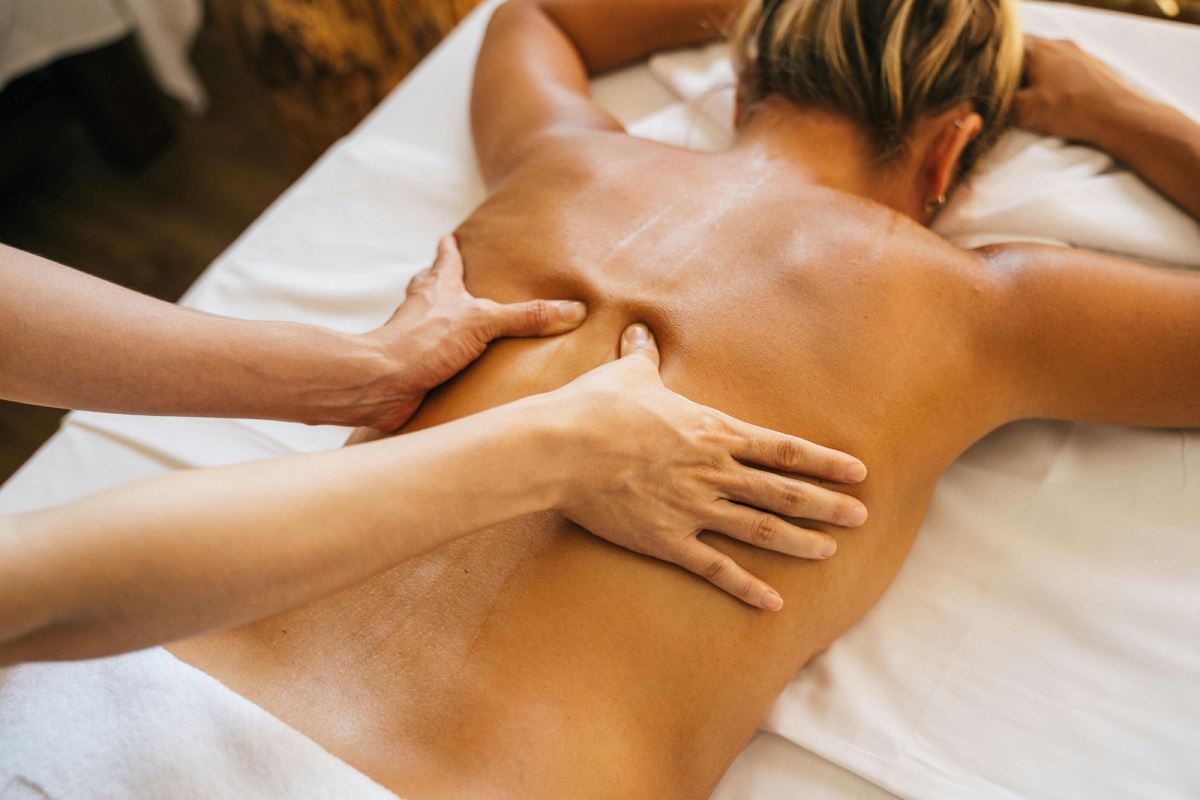
Cách Massage Lưng và Vai Gáy
Part 2: How to Massage Your Feet and Forehead
Our feet take us everywhere; they deserve care.
- Step 1 – Calf and Thigh Massage (5 minutes/foot): Use long, stroking motions from the ankle up to the thigh. Then use kneading techniques on the calf and thigh muscles.
- Step 2 – Sole Massage (5 minutes/foot): Use your thumb to apply firmer pressure to the sole of the foot, especially the hollow in the middle. According to traditional medicine, this is the Yongquan acupoint, which helps the body recharge energy.
- Step 3 – Toe Stretching: Gently hold each toe and rotate and gently pull.
Part 3: How to Massage Hands, Arms, and Palms
Don’t forget the hands; they work very hard too, especially when using computers and phones a lot.
- Step 1: Stroke from the shoulder down to the fingers.
- Step 2: Gently knead the upper arm and forearm.
- Step 3: Use your thumb to press and rub into the palm of their hand, then stroke along each finger.
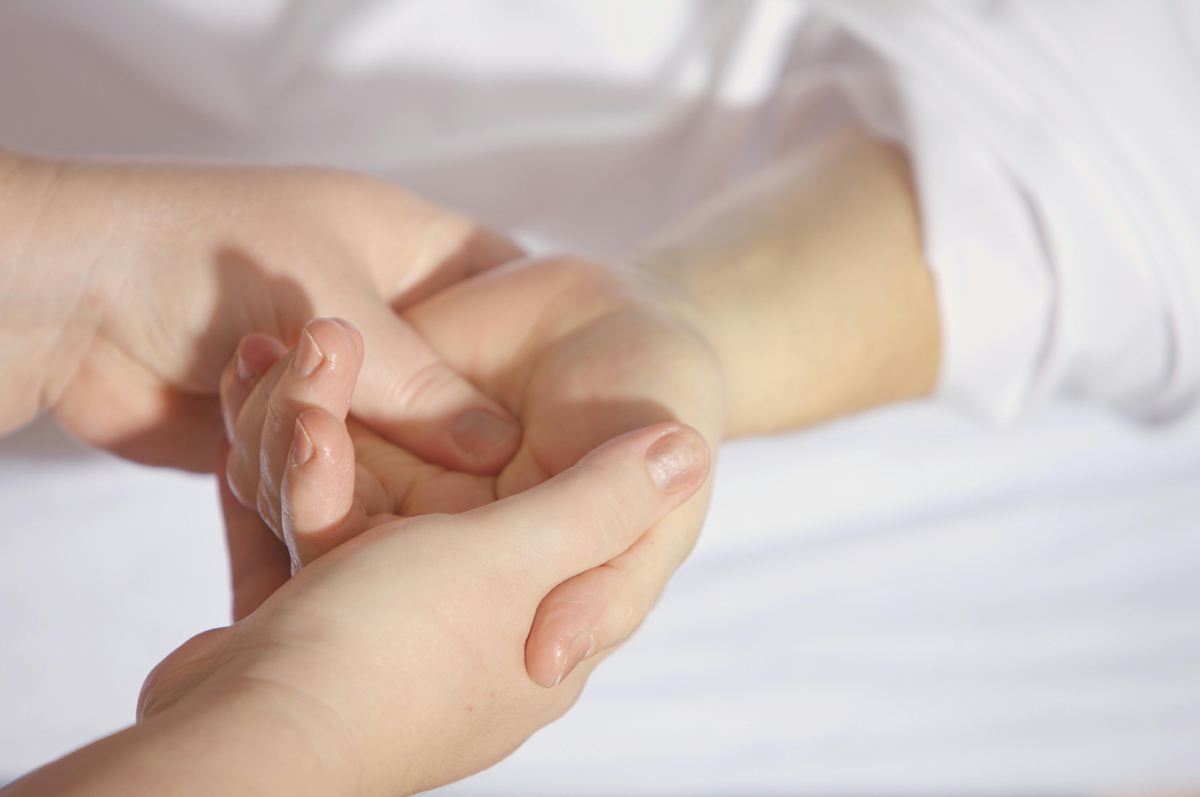
How to Massage Your Hands
Advanced Professional Body Massage Techniques
Safe Hot Stone Massage at Home
Professional body massage techniques can be enhanced with hot stone massage. Prepare 6-8 smooth basalt stones, palm-sized.
Heat the stones in warm water (50-55°C) for 10-15 minutes. Check the temperature by placing a stone on your wrist – it should feel warm but not burning.
How to perform: Place the stones on key acupressure points such as both sides of the spine, shoulders, and palms. Let the stones work for 3-5 minutes, then use the stones to gently massage.
This technique helps to deeply relax muscles, improve blood circulation, and provide a wonderful feeling of relaxation.
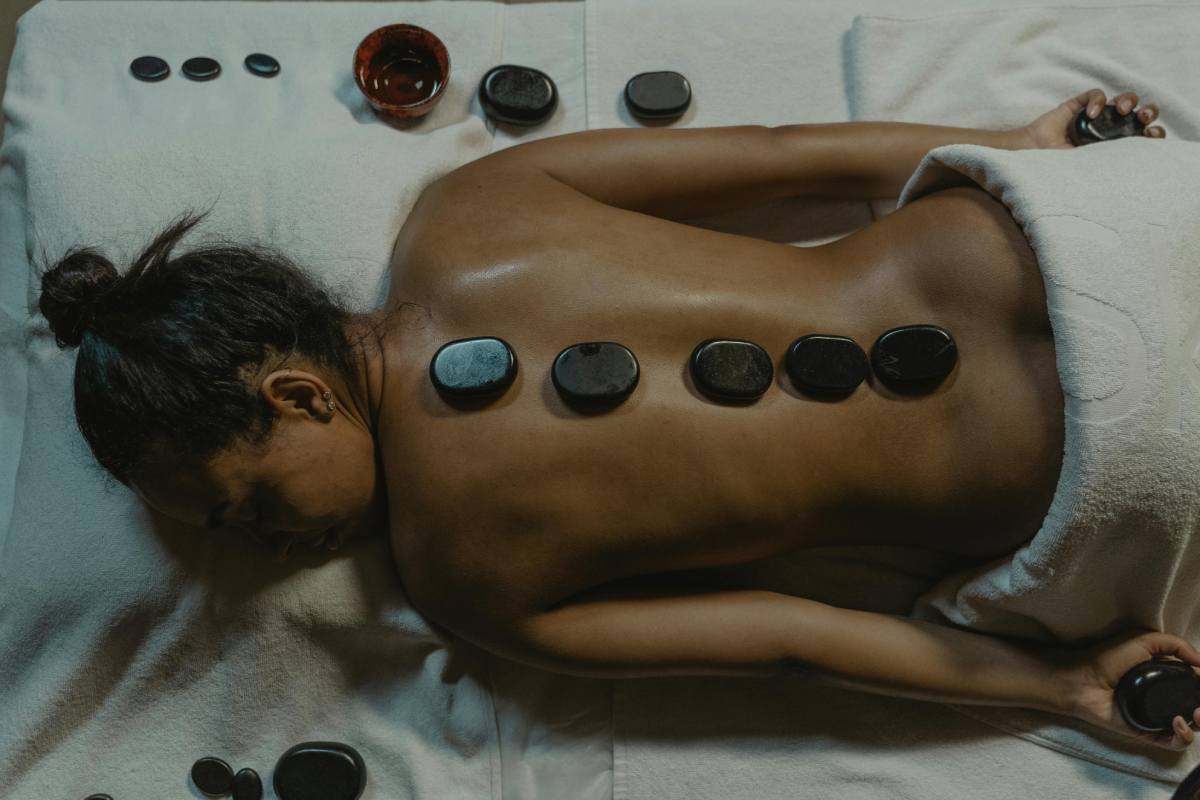
How to get a hot stone massage at home
Basic Traditional Acupressure Massage
Based on the principles of Traditional Chinese Medicine, acupressure massage can enhance the effectiveness of regular massage. Some basic and safe acupressure points:
- Fengchi Point: Located on both sides of the nape of the neck, below the occipital bone. Gently massage with your thumb for 1-2 minutes to relieve headaches and tension.
- Hegu Point: Located approximately between the thumb and index finger. Gently press for 30 seconds to reduce stress and improve circulation.
- Yongquan Point: Located in the center of the sole of the foot. Gently massage with a circular motion to improve sleep.
Important Note: Only massage these points with light pressure. If you feel pain or discomfort, stop immediately. Do not perform acupressure while pregnant or with chronic illnesses.
Secrets to More Professional Massage
Once you’re familiar with the basics, you can try these techniques to make your massage session even better.
- Use Your Body’s Strength: Instead of just using the strength of your hands and arms (which tire quickly), learn to shift your body weight into each movement. Keep your back straight and use the force from your hips.
- Explore Acupressure Points: Therapeutic body massage focuses on clearing energy channels. You can start with a few simple acupressure points:
- Fengchi Point: Located in the hollow below the skull, on either side of the neck tendons. Massaging this point helps relieve headaches and eye strain.
- Hegu Point: Located in the hollow between the thumb and index finger. Pressing this point effectively relieves pain.
- Maintain Rhythm: What distinguishes a professional from an amateur is rhythm. Try to perform the movements smoothly, continuously, without sudden interruptions.
Essential Notes to Remember When Self-Massaging Your Body at Home
To ensure that teaching body massage techniques at home is truly beneficial and safe, always adhere to the following principles.
Absolute Contraindications:
- Do not massage if you have a high fever or infection.
- Avoid areas with open wounds, rashes, or inflammation
- Do not massage people with severe cardiovascular disease, unstable high/low blood pressure, or varicose veins.
- Do not massage the abdomen of pregnant women or women during menstruation.
Note on Pressure: Always start with light pressure and gradually increase it. Continuously ask the person being massaged about their feelings. Massage is for relaxation, not for pain.
Avoid Direct Pressure on Bones: Absolutely do not press or rub directly on the spine, ribs, or joints.
Post-Massage Care: After the massage is finished, apply a warm towel to the person being massaged for a few minutes. Encourage them to drink a warm cup of ginger tea or water and rest for at least 15-20 minutes.
Common Mistakes and Effective Solutions
Technical Mistakes to Avoid
- Inappropriate Pressure: Many beginners tend to massage too forcefully, thinking that stronger pressure will be more effective. In reality, excessive pressure can damage muscles and blood vessels.
- Solution: Start with light pressure and gradually increase it based on the recipient’s feedback. Appropriate pressure creates a deep and pleasant sensation, without causing pain.
- Lack of Massage Oil: Dry massage is not only uncomfortable but can also damage the skin. Massage oil helps the hands glide smoothly and increases absorption.
- Solution: Use enough oil to allow the hands to glide smoothly over the skin. Replenish oil as needed, especially in dry areas like elbows and knees.
Errors in Time and Frequency
- Massage lasting too long: Massaging for too long can cause muscle and nervous system fatigue. The ideal time for a full-body massage is 45-60 minutes.
- Solution: Allocate time appropriately – massage each body area for 5-10 minutes. Observe your body’s reaction to adjust the time accordingly.
- Massage too frequently: Daily massages can cause the body to become accustomed to them and reduce effectiveness. Furthermore, muscles need time to rest and recover.
- Solution: So how often should you get a massage? 2-3 times a week is the ideal frequency. For a light relaxation massage, it can be done daily but not for more than 15-20 minutes.
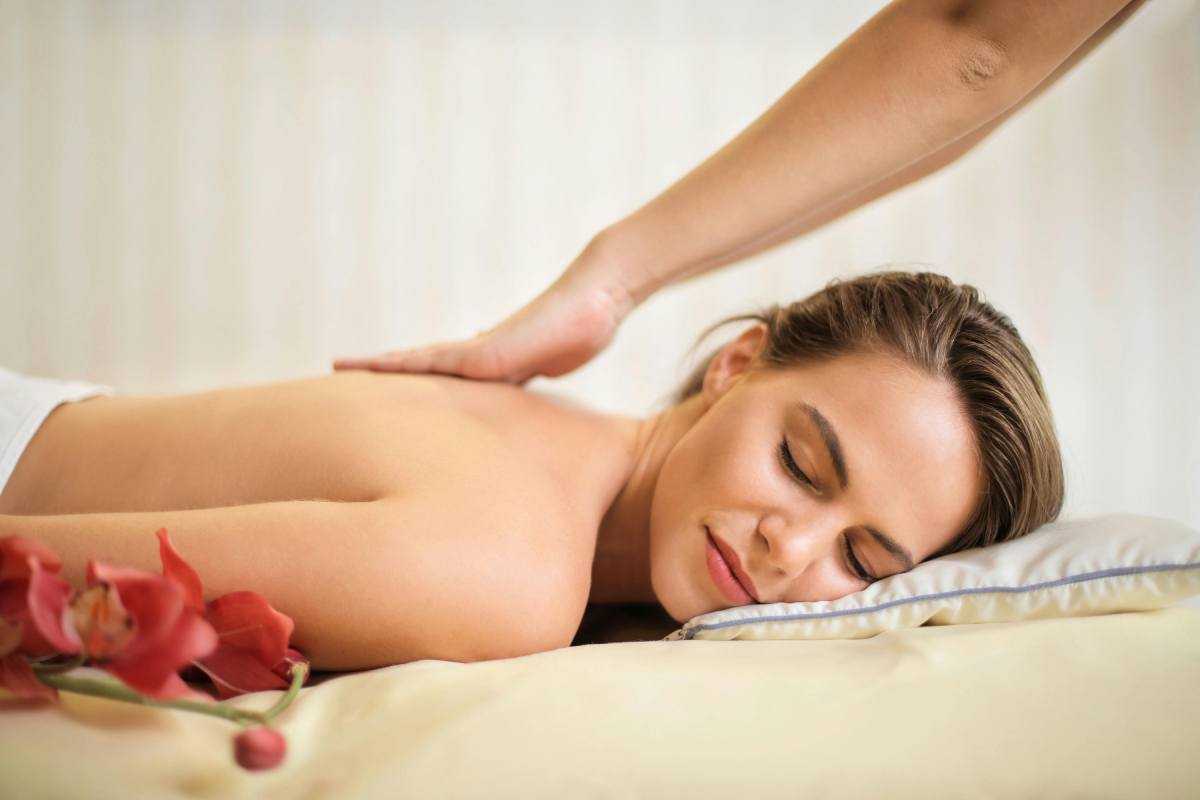
Optimal Body Massage Schedule
The Golden Time for Massage
The evening after 7 PM is the ideal time for a body massage. At this time, the body has finished its day’s activities and needs to relax to prepare for sleep.
Evening massage helps reduce cortisol – the stress hormone – while increasing melatonin – the hormone that promotes good sleep. This creates the best conditions for deep and quality sleep.
Avoid massage immediately after meals: Wait at least 2 hours after a main meal before massaging. Massaging while digesting can cause discomfort and affect the digestive process.
Scientifically Recommended Massage Frequency
Relaxation Massage: 2-3 times/week, 30-45 minutes each time. This is the ideal frequency for maintaining overall health when getting a relaxation massage for men and reducing daily stress.
Therapeutic Massage: 1-2 times/week, 60-90 minutes each time. Applicable for specific problems such as back pain, neck and shoulder muscle tension, or chronic fatigue.
Maintenance Massage: 1 time/week, 30-60 minutes each time. Suitable for those with a less stressful lifestyle who want to maintain overall health.
Combine with a Healthy Lifestyle
Massage is most effective when combined with a healthy lifestyle. Drinking plenty of water after a massage helps flush toxins from the body more effectively.
Dietary Support: Increase your intake of magnesium-rich foods such as bananas, almonds, and green vegetables to support muscle relaxation. Reduce caffeine and stimulants before massage.
Suitable Exercise: Combine massage with yoga, stretching, or gentle walking. Avoid high-intensity exercise immediately after a massage.

Frequently Asked Questions about Body Massage
How often should I get a body massage at home?
For relaxation massage, you can do it 1-2 times a week. Each session should last 45-60 minutes to allow your body enough time to relax and recover.
Is self-massaging the back difficult and how do I do it?
Self-massaging the back is quite difficult to achieve deep tissue massage. However, you can use tools such as a tennis ball (placed between the back and the wall and moved) or a foam roller to temporarily relieve muscle tension.
Do I need to take a professional body massage course?
If you only want a relaxing massage for yourself and your family, this article has provided enough basic knowledge. However, if you want to pursue a professional career or learn more advanced therapeutic techniques, taking a certified course is essential.
How does therapeutic body massage differ from regular massage?
Regular relaxation massage focuses on softening muscles. Meanwhile, therapeutic body massage incorporates acupressure techniques from traditional medicine to unblock meridians, balance qi and blood in the body, and provide longer-term health benefits.
Hopefully, this article has given you a comprehensive understanding of body massage and its practical benefits – explore and experience true relaxation with VIP Massage Nuru.





Danh sách kỹ thuật viên
Danh sách kỹ thuật viên
Đây chỉ là phần giới thiệu về một vài kỹ thuật viên.
Có rất nhiều phụ nữ tuyệt vời khác làm việc tại cửa hàng của chúng tôi, vì vậy hãy đến thăm chúng tôi.
Ktv Nuru Osuka 35
Ktv Nuru Osuka 26
Ktv Nuru Osuka 25
Ktv Nuru Osuka 15
Ktv Nuru Osuka 10
Ktv Nuru Osuka 02
Ktv Nuru Osuka 999
Ktv Nuru Osuka 06
Ktv Nuru Osuka 01
Ktv Nuru Osuka 86
Ktv Nuru Osuka 36
Ktv Nuru Osuka 09
Ktv Nuru Osuka 222
Ktv Nuru Osuka 22
Ktv Nuru Osuka 33
Ktv Nuru Osuka 83
Ktv Nuru Osuka 29
Ktv Nuru Osuka 05